The Death Keeper Collective is a community for people who feel called to support others through death, dying, and end of life with presence, care, and respect.
The Collective exists to offer connection, shared wisdom, ethical guidance, and support for those doing this work. It is a place to learn, to reflect, to ask questions, and to be supported by others who understand the unique emotional landscape of death, dying and grief.
We gather once a month for a virtual get together, creating space for conversation, connection, and community. All who are curious about death and dying are welcome, whether you are experienced, newly called, or simply seeking a place to belong.
At its heart, the Death Keeper Collective is about companionship, steadiness, and care, for those we serve and for one another.
Join us for a free gathering on Zoom on Tuesday August 18, 2026 at 5:30 pm PST
Register Here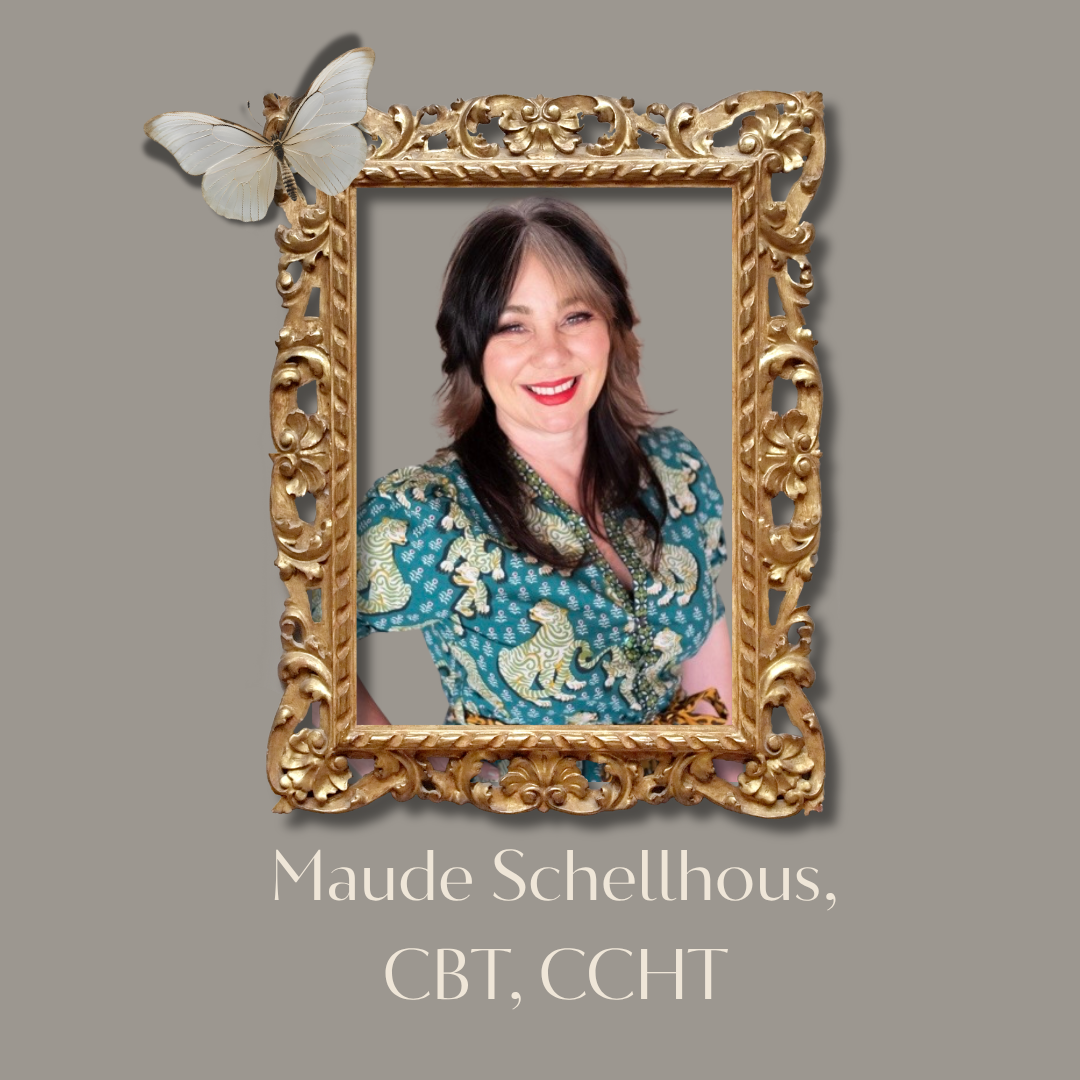
Who We Are
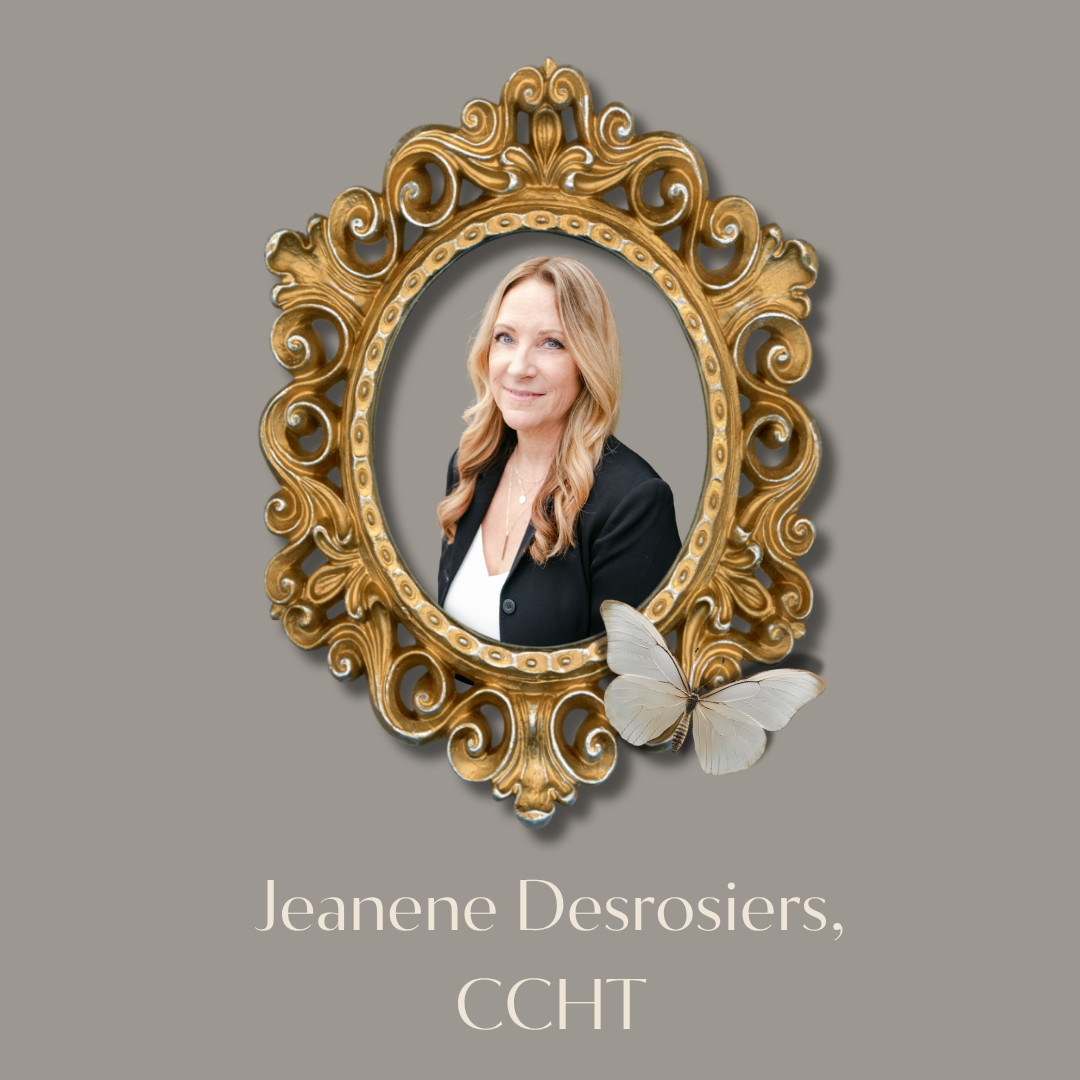
The Death Keeper Collective was created by Maude Schellhous, CBT, CCHT of Sacramento Hypnotherapy Wellness Center and Jeanene Desrosiers, CCHT of Essential Key Hypnotherapy. We are both Certified Clinical Hypnotherapists, bringing lived experience, clinical depth, and a shared devotion to supporting death and grief with steadiness, humility, and care.
We lead with presence before practice. We arrive as humans first, not as modalities or titles. Tools stay in the background unless they are truly supportive in the moment. We do not rush meaning, offer reframes, or search for explanations. Meaning, if it comes, arrives in its own time. Silence is not something to fill. It is a skill we respect, and we speak only when words genuinely serve.
We tend our own nervous systems so we can show up steady and present. Rest, reflection, and support are essential to this work. There is no hierarchy here, only shared responsibility and respect. Above all, we stay human. We allow ourselves to feel, to be moved, to be quiet, and to not know. Presence, humility, and care are the foundation.
This Community Is For You If...
✔ You feel drawn to conversations about death, dying, grief, caregiving, and end of life care, even if you are still discovering what that means for you.
✔ You are death-curious and looking for a thoughtful, supportive space to explore your relationship with mortality, loss, meaning, and compassionate care.
✔ You provide support to individuals and families through grief, loss, serious illness, aging, caregiving, or end of life transitions whether through emotional, mental, physical, spiritual, practical, or financial support.
✔ You are a death doula, caregiver, hospice worker, funeral professional, therapist, hypnotherapist, healthcare provider, estate planner, financial professional, energy worker, spiritual care provider, volunteer, or community member seeking connection and shared learning.
✔ You value practical wisdom grounded in lived experience, real conversations, and authentic human connection.
✔ You want to tend to your inner foundations alongside your skills, knowledge, and service to others.
✔ You are looking for a community where questions are welcomed, curiosity is encouraged, and learning unfolds over time rather than through pressure, performance, or certainty.
✔ You believe that supporting others through life's most profound transitions is both a privilege and a practice that benefits from community.
This Community May Not Be For You If...
✘ You are looking for a step-by-step formula, rigid framework, or definitive answers for every situation that arises in death, dying, and grief work.
✘ You are primarily seeking a certification, credential, or quick pathway into a professional role.
✘ You prefer certainty over curiosity, answers over questions, or expertise over lived experience.
✘ You are looking for a space focused solely on business development rather than community, practice, reflection, and personal growth.
✘ You are not interested in learning alongside others, sharing perspectives, or engaging in meaningful conversations about death, dying, grief, and compassionate support.
✘ You are only interested in acquiring skills and information without exploring the human, emotional, relational, and spiritual dimensions of this work.
✘ You are unwilling to examine your own relationship with loss, mortality, caregiving, or grief as part of your learning process.
The Death Keeper Collective is built on the belief that this work unfolds over time. It asks us to listen deeply, stay curious, reflect honestly, and learn from one another. We are less interested in having all the answers and more interested in creating a community where meaningful questions can be explored together.

Join Us
Join us in the Death Keeper Collective once a month on Zoom.
All who are curious about death and dying are welcome, whether you are experienced, newly called, or simply seeking a place to belong.
Our focus is less on credentials and more on curiosity, presence, respect, and a willingness to learn alongside others. Participation is designed to be supportive and sustainable, allowing all to engage in ways that fit their lives while remaining connected to a community that understands the importance of this work.

Is this a certification program?
How much time does this require each month?
Is this a business coaching program?
How is this different from Facebook groups or online forums?
To be a keeper is to stay.
Not to fix. Not to rush. Not to take over. To stay.
A keeper holds space when things are heavy and uncertain. They witness what is unfolding without trying to shape it into something easier to look at. There is a quiet responsibility in that. You are entrusted with a moment, a person, a threshold, and you tend it with care.
A keeper watches over what is sacred or vulnerable. That might be a body, a breath, a room, a family, a story, a final chapter. You protect dignity. You protect calm. You protect truth. Sometimes all you do is make sure nothing essential is disturbed.
In death work, a keeper is someone who remains present when others do not know how. You keep vigil. You keep time. You keep the tone of the space steady and humane. You help others feel less afraid simply because you are not afraid to be there.
There is also an element of memory. A keeper remembers what mattered. What was said. What was felt. What should be honored. You carry those things carefully, without making them about yourself.
Being a keeper is not passive. It is an active, embodied choice to hold, to guard, and to witness without needing recognition. It is strength that looks like stillness.
And honestly, it is one of the oldest roles humans have ever held for one another.